How to Get Free from the Shackles of Shame – Episode 455

Shame. Say the word out loud and feel its intense power. The root of the word shame is thought to come from an older word meaning to cover, as in covering oneself. When we feel shame, we cover ourselves, literally and figuratively. We want to hide from ourselves and others. The lengths we will go to cover and hide our shame can keep us from ever fully living life. It is hard to be happy, healthy and feel peaceful while carrying the ball and chain of shame. In this episode, Ted discusses what shame is, how we can tell if we are impacted by shame, and what we can do about it. If you feel that you are tied up and a prisoner of shame, listen to this episode.

Listen to this podcast episode now:

Shame. Say the word out loud and feel its intense power.

The root of the word shame is thought to come from an older word meaning to cover, as in covering oneself. When we feel shame, we cover ourselves, literally and figuratively. We want to hide from ourselves and others.

Eve was said to cover herself in the Garden of Eden when she realized she was naked. She became ashamed of her natural physical form, the essence of her human-ess. It seems to me that many of us are ashamed of our humanness, either because we are taught that we are essentially flawed, or because we have seen too many of our flaws operate in our lives as in our mistakes, failures and screwups.

When we are shamed as children, we are uncovered, and our error is exposed; “Shame on you!” or “You should be ashamed of yourself.” Yet, like Eve, as children we are often shamed for what is natural to us, i.e picking our nose, touching ourselves, or hitting our siblings because we know of no other way to express our frustration and anger.

The effect of shame, either taken on by oneself or given to us by others, can be subtle but devastating and long lasting. We can end up repressing shame and stuffing it down so deep inside that it becomes covered even to ourselves. Yet, it’s still there, like a monster lurking in the depths.

Yet the impact of this hidden shame, like the word, is powerful. The lengths we will go to cover and hide our shame can keep us from ever fully living life. It is hard to be happy, healthy and feel peaceful while carrying the ball and chain of shame.

We can become shackled by the shame of who are or who we are not, what we do and what we don’t do, what we’ve done or what we failed to do, where we are in life or where we are not. It doesn’t have to come from childhood. In fact, I would say it’s easier to identify and resolve childhood shame than to deal with the shame we accrue as adults, ruled by our personal standards, expectations, and the need to look good.

Shame can be a source of anger, depression, and anxiety. It makes us feel like something is wrong with us, and that can erode our confidence, self-trust and ability to move forward.

In fact, we can become so bound by shame that we stop moving, stop trying, stop expressing, stop loving. We will go into emotional hiding. We will go to great lengths to avoid anyone seeing us for who we think we are. God forbid we are uncovered as a fallible human being. Yet essentially that is what we are. As humans, we will make mistakes, screw up and fail. That’s a given and you know what? It’s ok, even though it doesn’t feel ok at the time.

According to StopItNow.org.uk:

“Shame is the belief that we have done something wrong and that makes us a bad person. Someone experiencing shame may not be able to identify their positive qualities or see themselves in a good light.”

Feeling shame is normal. But if not brought to the light of day and resolved or dealt with, then we are prone to triggering events that lead us down a “shame spiral”. Again, according to StopItNow.org.uk:

• We begin to feel as if we can’t do anything right and that we are a failure

• We start to think that everyone is judging us and dislikes us

• We gather evidence that our thoughts are true

• We have the urge to quit, withdraw or run away

How can we tell if we are prisoners of shame? It can be difficult to recognize, but some of the signs are feelings of:

  •  Defeat
  • Rejection
  • Isolation
  • Self-loathing
  • Low self-esteem
  • Perfectionism
  • Wanting to avoid social engagement/interaction with others

How to get free from Shame

The antidote for shame is always self-acceptance and self-forgiveness. We can strive to accept our humanity, which includes the experience of triumph as well as failure. We must practice self-compassion.

We can seek to understand our shame: where it comes from, its origins. Journaling is very helpful to get clarity and insight into the genesis of our shame. We can also take valuable lessons and wisdom from what happened.

We also need to accept responsibility: we must face what we’ve done. We can make amends, seek absolution, apologize and ask for forgiveness from others as well as ourselves.

It’s freeing to talk about our shame and share our feelings with someone that we trust such as a therapist or friend. Shame dissipates in the light of awareness and sharing with someone who supports us.

And we must be willing to fail again. We must be willing to acknowledge that living fully means often falling short of the mark (the original meaning of “sin”). But first we must be willing to uncover the shame to ourselves, then to another. This takes courage and a desire to be free from hiding who and what we are.

Want to catch up on previous episodes? Click Here >

If you are thinking right now that you might be chained and weighed down by shame, then request a complimentary half hour phone consultation with Ted. You can talk about what’s going on, Ted will  answer any questions you might have, and if you feel that hypnotherapy is right for you, you can schedule your first appointment. Go to https://TedMoreno.com/contact to request your complimentary consultation.

Here is today’s quote >

“Shame corrodes the very part of us that believes we are capable of change.”
~Brene Brown (click on the link for her TED talk on shame.)

Thank you for reading this!

Ted

Fourteen Ways to Break Up SSDD and Feel Alive – Episode 454

Have you ever asked someone how they are doing, and they respond SSDD which stands for “Same s..t, different day?” It’s easy to get caught up in the day-to-day humdrum where the days seem to run into each other because the same thing happens day in and day out. This can leave us feeling stuck and uninspired. We need to consistently work on bringing more joy, aliveness and passion into our lives, and it starts with connecting with those things that fill you up inside.

In this episode, Ted offers 14 ways to get out of SSDD and feel more enthusiastic about being alive at a time when it’s becoming increasingly difficult to find fulfillment and meaning in modern life. The best part: most of these things are simple and easy, yet powerful. Check it out!

Listen to this podcast episode now:

Ever get the feeling that all you do is work and be responsible? Do the days seem to run into each other because the same thing happens day in and day out? Do you feel “stuck”?

Henry David Thoreau said, “Most people lead lives of quiet desperation and go to the grave with the song still in them.” Do you sometimes feel that Thoreau is talking about you? (note: you would be saddened and shocked by the number of people that would say yes to that question.)

It’s easy to get caught up in the day to day humdrum. When you ask people how they are doing, how often do you get SSDD which stands for “Same s..t, different day?

It’s like if you hang a picture on the wall, for the first few days you’ll look at that painting, and you’ll go “Oh that’s a nice painting.” But eventually that painting becomes part of the background, and you don’t notice it anymore. Life can be the same way. Where all the things you do every day just run into each other and fade into the background and that becomes your life if you aren’t constantly looking for new experiences to fill you up.

If you can relate to what I’m talking about, then you can to change things. You need to do something different. Here are 14 ways to get out of SSDD and bring more joy, aliveness and passion into your life at a time when it’s becoming increasingly difficult to find fulfillment and meaning in modern life. It all starts with connecting with those things that fill you up inside. And I’m not talking about going out and buying new stuff. I’m talking about new feelings and new experiences. The great thing about it is that they are relatively simple things.

Listen to music. Music is healing. Music speaks to our souls. Turn off the TV and sit instead with your eyes closed listening to your favorite type of music. When was the last time you did that? Make a playlist of your favorite songs and listen to them in your car instead of listening to the news. I love classical music, and when I’m feeling dulled by life, I listen to Beethoven’s Pastoral Symphony or Bach’s Sonatas and Partidas for Solo Violin.

Play music or sing. Do you have a dusty instrument laying around? Pull it out and see if you can become friends again. It could be as simple as a wooden flute with holes or as complex as a grand piano. Have you always wanted to learn an instrument? When would now be the best time to start? Guitar is easy and cheap. You can learn by watching YouTube videos.

Watch your all-time favorite movie. One that inspires you. One that makes you laugh or makes you think. Turn off the phone, grab your favorite brew and be taken away by a great story. My favorites: “Lawrence of Arabia” and “Casablanca”

Read. Read something that keeps you turning the pages. Something inspiring and interesting. Make regular time to savor it. If you learn something, that’s a bonus.

Do some art. Let your artistic side come out. Do you like to draw? Paint? Photography? Work with clay? I don’t know how much a bag of Sculpey is but I’m sure it’s not a lot. You don’t need to know “how”. Just play, see what happens.

Dance. If you find yourself alone and the mood strikes you then get up and bust a move. Don’t be shy to dance alone. It’s all about freedom of expression. If you want to but can’t call me and I’ll help you bust loose. I dance. Usually by myself. Sometimes in front of the kids and my wife. Move your body with music. Get into your body and feel the groove.

Start a garden. Plant a seed. Nurture it. Watch it grow. Maybe you end up with fruit, vegetables or a pretty flower. Be a partner in the miracle of life. Get filled up with wonder. That will make you wonderful (or more wonderful than you already are).

Get a pet. Dogs, cats, birds, whatever. Play with your pet if you have one. Not just walk them. No room or too much hassle? Get a fish. They’re easy and they don’t mess up your house. Aquariums are peaceful. Get some frogs, or newts. Some people like snakes and lizards. They’re not for me but whatever floats your boat. Get something alive and take care of it.

Hang out with a little kid. Maybe yours, maybe someone else’s that would like some kid-free time. Go buy them an ice cream. Go do something that you liked to do when you were a kid.

Get out into nature. This is very powerful. Go to a park and walk barefoot in the grass. Take a drive up into the mountains. Take a hike. I like lakes and streams, there’s magic in those places. My personal local favorite: Puddingstone Lake in Bonelli Park here in San Dimas where I live. Go fishing, kayaking, just get out.

Go to a museum. Want to get inspired? Stand in front of a painting that is 500 years old. It’s quiet and cool in museums. I was in New York last summer standing in front of Starry Night by Van Gogh. I so was moved to see it in real life. My favorite: Huntington Library and Botanical Gardens in San Marino. They have a beautiful Japanese garden and a brand new Chinese Garden that is absolutely amazing. If you live in the LA area, this is a national treasure right in our backyard. I’m sure there is something like that where you live as well. Build something. Anything. A shed. A box. A model airplane. A real airplane. Create something with your hands.

Take a vacation. Even if it’s just a day off, like a mental health day. Yeah, I know, vacations disrupt my routine too. But that’s the idea. Can’t afford it? You can’t afford not to. Rest and relaxation are just as important as work.

Develop a spiritual practice. Whatever is meaningful to you. Reading spiritual texts, going to worship services, meditation, or study. A spiritual practice can connect you to deeper parts of yourself that leave you feeling centered, grounded and connected to everything out there.

It’s all about connecting with your inner sense of wonder and creativity and getting inspired. We are creative beings and when deprived of these essential qualities we shrivel and die. Perhaps not a physical death, but certainly a spiritual one. It’s up to you to give yourself what you need to thrive.

Want to catch up on previous episodes?  Click Here >

Feeling stuck? Are you ready to change some things up to have more fulfillment and joy? Request a complimentary consultation with Ted by going to http://TedMoreno.com/contact. He’ll get back to you within 48 hours to talk about what’s going on, answer any questions you have, and if you are ready, schedule you first hypnotherapy session in person or remotely.

I hope you enjoyed my podcast today.

And now, you can watch a video of this podcast by going to my YouTube channel @TedAMoreno. Here are two quotes for you, the first is by Jiddu Krishnamurti:

“It is no measure of health to be well adjusted to a profoundly sick society.” The next quote is from an article titled The Only Way to Avoid Living a Life of Quiet Desperation by Jason Phipps at ElephantJournal.com.

“The only way to avoid a life of quiet desperation is to be brutally honest with ourselves. To not succumb to the trappings of a society that forces us to buy, pose, share, and like. To be different in a manner that is authentic. To have the courage to look life in its eyes, and say no to what isn’t our path, and to say yes to what is. Avoiding this isn’t easy, hence why most of us never do.”

Something to think about.

Thanks for being here,  Ted


How to Manage and Increase Your Energy – Episode 453

“OMG I’m sooo tired!” How often to we hear this from people around us (and maybe even from yourself?) There’s a lot of talk about how to manage your time but a lot less about how to manage your energy.  So, in this episode, Ted talks about how to manage and increase your energy to allow you to get more done in less time a lot more enjoyably. Ted discusses the fundamentals of abundant energy, (you know what they are!) energy sucks, why mindfulness is so important in having high energy, the four areas of your life energy, and reveals the single most important characteristic of those that have seemingly infinity energy.

Are you dragging yourself through the day? Check out this podcast episode!


Listen to this podcast episode now >

If you don’t manage your time well, you might run out of time.

If you don’t manage your money, you might lose it.

So, if you want to have a lot of energy, you need to manage that too. But here’s the thing about energy: you can manage it in a way where you always have more than enough energy. You have a finite amount of time, and at any point you have a finite amount of money, but it’s possible to have all the energy you need if you learn to manage it correctly. We’re talking about abundant energy.

Now, there will be times when you are going to lack energy, that’s life. However, when you you’re sick, or going through really tough times, are have a new baby and not getting enough sleep, these are the most important times to pay attention to and manage your energy.

Let’s start with the basics: good sleep, good food and regular physical activity. These are the fundamental requirements for high energy. We know this. However, people make the mistake of saying, “Well, I don’t have the time to get all the sleep I need, or I don’t have time for physical activity.”

The truth is that having a higher level of energy makes your time more efficient, you get things done more quickly, there is less procrastination, and things flow easier with less effort. Managing and cultivating more energy simply means you have more energy to do the things that give you more energy! So contrary to what many people think, taking the time to get good sleep, physical activity, and eating good food is an investment into your energy account. And don’t forget, drugs and alcohol and sap your energy easily

I don’t want to say more about this because it’s something everyone should know, so if you’re dragging yourself through the day, start with addressing the fundamentals for a higher level of energy.

Now, I’m going to suggest to you that the single most important thing that you can focus on for maximum energy is what is going on in your own head. If you have the right mindset, if your head is on straight, this can be incredibly important to your energy even if you aren’t getting the sleep or food or exercise that you want or need.

We’re talking about your own relationship with yourself. If you don’t like yourself, if you are beating yourself up by judging, criticizing yourself or comparing yourself to others, these are huge energy drains. If you desire a higher level of energy, it’s imperative and critical that you take time to connect with yourself. Take time to reflect on the following:

· What’s your purpose?

· What are your values?

· What is important to you in this life?

· Do you have goals written down?

· What lifts you up?

· What is dragging you down as far as your feelings about yourself?

If you aren’t taking the time to cultivate this type of awareness, then you will allow yourself to be a leaf blown about by circumstance and other people’s opinions and behaviors.

Speaking of other peoples’ opinions and behaviors: do what you can to avoid drama and people that create chaos and drama. This kind of toxic energy will suck the life force out of you. You might not be able to avoid being near family members or co-workers like this, but you can and must draw boundaries to keep from getting drawn it to other people’s negative stuff. As much as possible don’t engage and keep your distance.

Same thing with the news. There’s nothing wrong with being informed about what’s happening or being active in your cause. But when you notice that your media or social media exposure is making you angry a lot, or scared a lot, or apathetic, then you know your energy is being drained. Get angry, get fired up, be concerned but don’t live there. You really need to protect yourself against the constant effort by most media outlets to get an emotional reaction from you.

One of the ways you can do that is to stay grounded, centered and balanced. There are many ways to do this. Mindfulness practices such as yoga, meditation or prayer, breathwork, walking, and daily affirmations are all effective ways to keep your energy from being drained. As I’ve mentioned in many of my previous podcasts, ritual and routine can help you maintain those powerful habits, especially your morning routine. There’s a great article on Medium.com that references the work of John Kabat Zinn, American professor of medicine and the creator of the Center for Mindfulness in Medicine, Health Care, and Society at the University of Massachusetts Medical School. He’s identified 7 areas of mindfulness:

· Non-judging

· Patience

· Beginner’s Mind

· Trust

· Non-striving

· Acceptance

· Letting Go

Check out the video that I’ve linked above.

One of the benefits of cultivating mindfulness is that it allows you to have the awareness and clarity to see what gives you energy and what drains your energy. And that is very important to know.

Finally, ask for help. You don’t need to do it on your own. Find a counselor, therapist, coach, mentor, whoever, find someone who can support you and assist you in doing the things that you need to do to increase your energy. There’s another great article in the Harvard Business Review online titled Manage Your Energy, Not Your Time where the authors discuss the four areas of energy we all have: Body, emotions, spirit and mind.

Energy in the body is created through your self-care and healthy habits.

Energy in your emotions is managed by giving yourself downtime, and connecting with the people and activities that boost your energy and avoiding energy suckers.

Energy in your mind is being able to focus and concentrate by cultivating feelings of being centered and grounded and avoiding drama and distractions.

Energy in your spirit is finding meaning and purpose in your life.

Want to catch up on previous episodes? Click Here >

There you go, I hope you found this episode helpful. Of course, if you feel you need help to get your energy back online, you can request a complimentary consultation by going to TedMoreno.com/contact.

Let me leave you with two quotes today, the first by Nikola Tesla:

“If you want to find the secrets of the universe, think in terms of energy, frequency and vibration.”

The second is the Serenity Prayer, you may have heard it:

God, grant me the serenity to accept the things I cannot change, the courage to change the things I can, and the wisdom to know the difference.

Thanks for being here,

Ted

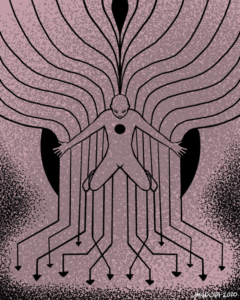
Illustration by Martin Mancha

Ted in Your Head Interview: Katt Lowe, Reiki Master and Hypnotherapist- Episode 452

In this fascinating episode, Ted interviews Katt Lowe, Reiki Master and Teacher, and Certified Clinical Hypnotherapist. Ted and Katt discuss Reiki, an energy healing practice that seeks to promote wellness by creating balance in a person’s life force or energy field. Katt discusses how she was led to Reiki, how Reiki works, how she combines Reiki with hypnotherapy, and shares positive outcomes she has created for herself and her clients, both in person and remotely. If you have heard about Reiki, and are curious to know more about it, take a listen to this very interesting episode which describes one very popular form of energy healing.


Listen to this podcast episode now:


In this fascinating episode, Ted interviews Katt Lowe, Reiki Master and Teacher, and Certified Clinical Hypnotherapist. Ted and Katt discuss Reiki, an energy healing practice that seeks to promote wellness by creating balance in a person’s life force or energy field. Katt discusses how she was led to Reiki, how Reiki works, how she combines Reiki with hypnotherapy, and shares positive outcomes she has created for herself and her clients, both in person and remotely. If you have heard about Reiki, and are curious to know more about it, take a listen to this very interesting episode which describes one very popular form of energy healing.


Want to catch up on previous episodes? Click Here >

Information about Katt Lowe can be found at https://KattLowe.com. You can find out more about her classes and services.

If you want to request a complimentary consultation with Ted to see if hypnotherapy and high-performance coaching are right for you, you can do that by going to http://TedMoreno.com/contact

We are Masters of Self Deception – Episode 451

We are Masters of Self Deception – Episode 451


“To thine own self be true.” We’ve probably heard these words from Shakespeare before. Yet, all of us lie to ourselves, avoid reality, rationalize, make excuses and blame others because we are unable or unwilling to see what is right in front of us. We are masters of self-deception and the consequences of our deception can range from simply kidding ourselves about small matters, all the way to up to feeling exhausted and anxious from the energy it takes to lie to ourselves and others. In this episode, Ted examines how and why we deceive ourselves and how difficult it is to know that we are. Chances are you are BS-ing yourself about something, so take some time to check out this episode.

Listen to this podcast episode now:

Sometime in the 90’s while I was living in Tucson, AZ, I decided to become an independent life insurance agent. Someone had shown me an opportunity to make money and get residuals and all that good stuff, and since I had no clue what to do with my life at that point, I signed up.

I went through the training and started going to the sales meetings. Though in my opinion, the guy that had signed me up with this company was a bit of a knucklehead, he seemed to be making money. So I actually took the insurance test and got my license.

This was an in- home deal where you go to people’s houses and check out their insurance policies and try to sell them a new policy. However, even months after I got my license, I had yet to make an appointment to see someone to sell insurance. I just never got around to actually calling someone and going to their house.

I would go to the team meetings and the other agents would ask me “So, Ted, when are you going to get your first deal?” “Soon” I assured them. I told the team leaders not to give up on me, but I never made a single appointment to see someone to try to sell them life insurance. I started to feel like a real loser.

One day, I said to myself “Self, this is not going to happen. The truth is I have no intention of ever selling life insurance.” I said adios after wasting a lot of time beating myself up. I was fooling myself and I had to stop my self-deception.

Richard Feynman, the American physicist said: “The first principle is that you must not fool yourself — and you are the easiest person to fool.”

Have you ever

· Been in a relationship that you knew would not last but tried to convince yourself it would?

· Been in a job you knew was not right for you but kept hoping it would get better even though you knew it wouldn’t?

· Kept putting off taking action while hoping a situation would resolve itself until it got so messy you that you were forced to do something?

If so, you know what self-deception feels like. We all deceive ourselves if we’re honest. But that’s the problem isn’t it? We are not always honest with ourselves. We’ll do it consciously or subconsciously; it can be a consistent pattern of behavior or what we do when our back is against the wall.

Self-deception can be helpful; we can use self-deception to protect ourselves, or to enhance our belief that we can accomplish something.

However, self-deception can be the root of self-sabotage and a way to avoid responsibility for our lives and what happens in them. Why are we such masters of self-deception? Why is it so easy to fool ourselves? It’s because we have a tendency to believe what we think. We believe what we tell ourselves. But there is often a vast difference between what we think and what we know to be true.

Deep down inside, I knew I was kidding myself about being an insurance agent. If I had stopped and asked myself “What am I doing?”, I would have been able to see my self-deception: that I was just going through the motions with no intention to see it through. I could’ve saved myself a lot of time and money if I had done that earlier. Why didn’t I?

I didn’t want to disappoint the organization that I was working with. I wanted to believe that I could do something and be good at it. I wanted to be somebody.

However, the area of my life where self-deception was rampant was in my romantic relationships. Ove and over, I knew I was wasting my time with a particular partner, or I knew they were wasting there time with me. Yet, I convinced myself that there was a future for us, so I pretended that there was, yet I knew it wasn’t going to last. But I wanted it to last. I needed it to last.

So how do we figure out that we are involved in self-deception?

We don’t figure it out. Because it’s your mind that wants to deceive you in the first place. Bob Dylan said “You cannot depend on it to be your guide, when it’s you that must keep it satisfied.” We can’t count on the thing that’s deceiving us to reveal our own self-deception. It’s like seeing your own eye. We are often unaware that we are deceiving ourselves.

We’ll use logic to justify our actions despite what we feel. This way we can ignore the voice inside that is asking us “What the hell are you doing?”

We will rationalize, make excuses, blame others or get angry or defensive with others when they call us out. According to Wikipedia, self-deception is

“ A process of denying or rationalizing away the relevance, significance, or importance of opposing evidence and logical argument.”

We can identify self-deception by the way it makes us feel. If we give ourselves the opportunity, we will feel our own self-deception. Chances are that others around us are feeling it as well.

Feelings come and go. But when they come and refuse to leave, then it’s time to pay attention.

Here is a good rule of thumb: if you are caught up in self-deception, you will experience struggle and conflict. You might be getting sick a lot, feeling tired and ill at ease. The bigger the self-deception, the bigger the lie you are telling yourself, the crappier you will feel. Anxiety, discomfort, and guilt, can result from being inauthentic with ourselves, and don’t underestimate the negative impact our inauthenticity will have on our lives and our health.

Self-deception can leave us feeling exhausted, overwhelmed and numb. As we get better at lying to ourselves, we get better at lying to others. Our relationships can suffer, our job performance declines, we can lose clarity and eventually lose touch with ourselves and with what is important, meaningful and valuable. Imposter syndrome is a consequence of self-deception. To attempt to avoid these feelings we might turn to numbing or medicating behaviors such as drugs and alcohol.

If you are true to yourself, stuff just seems to flow. There may be challenges, but we can meet them with grace and ease.

Are you getting the feeling that self-deception has you blind, fumbling and stuck? Here’s how you can shed light on that dark corner.

· Ask someone. This takes a rare kind of courage. You walk up to someone that knows you well and you ask them “I get the feeling that I’m fooling myself about this situation. What do you think?” If there is self-deception that has been festering and is getting stinky to others around you, they won’t hesitate to gleefully point it out to you and possibly smack you side of the head.

· Write in a journal. Sit down with a pen and paper and ask: “Please tell me what I need to know.” Then just start writing. Anything. Sometimes what shows up is kind of like a smack on the side of the head. Use this as a tool of self-reflection and to build self-awareness.

· Ask your subconscious mind before you go to sleep. Just ask a question like “Give me clarity to see what is true” or “Allow me to know if there is self-deception here.” Sometimes you’ll get a dream, sometimes you’ll know upon waking, sometimes it will come to you out of nowhere like a smack in the head.

· Go take a walk. Again, ask for clarity with a sense of calm relaxation. Go walking or riding a bike without trying to think or figure things out. I did this once while thinking about a business associate who I was trying to convince myself I could trust. Suddenly, bits and pieces of information came together for me that made it

clear to me that I could not. I was so astounded that I had not seen this before that I walked into a street sign. It was very much like a smack in the head.

· Work on your own self-confidence, self esteem and self-acceptance. Cultivate the courage to be honest with yourself and to see things you would rather not see or think about.

· Look at those areas of your life that are ruled by fear. Look at when you want to blame. Be very aware of when you avoid what you know you need to address.

· Go see a professional like myself to help you figure it you. I promise I will not smack you in the head.

It doesn’t take much to see the truth. The first step is to acknowledge that we all lie to ourselves and that we are really good at it.

Here are a couple of really good quotes:

“We do not deal much in fact when we are contemplating ourselves.”

-Mark Twain

“If you want to be successful, you must respect one rule: Never lie to yourself!”

–Paolo Coelho, Brazilian novelist

Want to catch up on previous episodes? Click Here >

Thanks for reading this and remember, if you have the uncomfortable feeling that you are caught up in a web of your own self-deception or other people are telling that you are, contact me for a complimentary consultation to see if hypnotherapy and high-performance coaching can help you be clear, honest and authentic about what really matters in your life. You can do that by going to TedMoreno.com/contact.

Be real,

Ted

Is Your Lack of Integrity Causing You to Crash and Burn? – Episode 449

You can have the greatest plan, the most sincere intentions, the most brilliant idea, but if you don’t have the glue to bring it together and make it stick, it just won’t fly. What is that glue? It’s called integrity, which is the ability to be your word, to do what you say you are going to do. It’s the integration of your words and actions.


With integrity, your words can move mountains, without it, your words have no power. In this episode Ted talks about what is arguably the most important principle you can master: sticking to your word.


Listen to this podcast episode now:


I liked building model airplanes when I was a kid. Back then, you would use modeling cement which came in a tube. One day though, I discovered I didn’t have enough modeling cement to build my plane. I asked my mom if she could buy me some. She said sure, we’ll go tomorrow to the hobby store and get some.

But I was very impatient. I was looking forward to building my plane and I simply couldn’t wait until tomorrow. I wanted to build the plane today. So I rustled through the cabinets, and I found some of that white Elmer’s Glue, and that’s how I built my plane.

I would hang my planes from the ceiling of my bedroom, so when the glue was clear and dry I picked up the plane by one of the wings, and got up on a stepstool to hang it up but the wing broke off from the rest of the plane and it came crashing to the ground. All of the pieces that I glued with the Elmers glue fell off and some broke into little pieces. Man, was I upset. All the parts were coming off because you don’t use white glue to build a model airplane. You use modelling cement.

The problem was that my little plane had no integrity. It had all the parts, except the part that mattered most of all: the right kind of glue to keep it together.

You can have the greatest plan, you can have the sincerest intentions, the most brilliant idea, but if you don’t have the right glue to bring it together and keep it together, it just won’t fly. Or worse, after it gets airborne, it will come crashing to the ground. What is that glue? It’s called integrity.

Integrity is the ability to be your word, to do what you say you are going to do. It is a state of being whole and undivided. In other words, what you say and what you do are in alignment. It is the integration of your words and your actions. With integrity, your words can move mountains. Without it, the words coming out of your mouth have little or no power. You know how they say talk is cheap? The fact is that people cheapen talk and when your talk is cheap, few will buy it.

In my hypnotherapy practice, people come to me because they are unable to accomplish their goals and they can’t figure out why. Upon further inquiry we often find out that they can’t trust themselves. They can’t count on themselves to do what they say they are going to do. They’ll tell themselves that they are going to start this or that or do this or that, but they don’t do it so consequently their words and actions are not bound together, so things fall apart. We all suffer from lack of integrity at times, but the question is: is it a value that you strive for? If it is, you’ll have more integrity, if it’s not, you will have less. It’s that simple.

Can you keep your agreement to be somewhere at a time that you agreed to? If you can’t, it sends the message loud and clear: this person cannot be counted on to do what they are going to do.

Do you honor your financial agreements by paying your bills on time? If you don’t guess what happens? Your credit score announces to the world: you can’t count on this person to pay back money that they borrow as agreed.

Can you keep the agreement you made to abide by the rules of the road when driving your car? If you can’t, you get a ticket or worse get thrown in jail!

It all boils down to this: Do you do what you say you are going to do? If you do it once, probably no one will notice. Do it five times, people start to respect you. Do it one hundred times and you become dependable. Do it every single time and guess what happens?

Your word now has power. When you speak, people listen. If you say it’s going to rain, people start buying umbrellas, and if you say it will flood, they start buying boats. Need funds? A handshake will get you millions. Now, you show up in the world as a rock, unshakable in your ability to gather people and resources, to move and inspire people to action. Just say the word and people will fight for you and die for you because they know that you make things happen, because every time you said it was going to happen, it did, sure as the day follows night.

But your ability to have this kind of integrity doesn’t start with showing up on time and paying your bills or keeping promises to people. Nope. Those are just the outward signs.

The power of integrity and the force that it wields start with keeping your word to yourself. This is where all accomplishment starts. This is where all manifestation happens. This is where you get the lift under your wings that takes you to higher levels of success and accomplishment.

Of course, it’s easier to keep your word with someone else than it is to keep your word to yourself. Because if you don’t keep your promises to yourself, who’s going to know? Who’s going to hold you accountable?

I know what I’m talking about. I used to be flaky. Like it didn’t matter if I kept my word or not. I spent a lot of time making excuses as to why I wasn’t moving forward. The truth is that I was unable to move myself to action. I didn’t trust myself when I told myself that I was going to do something. In my mind I would hear the words “BS, you know it ain’t gonna happen.”

I put a lot at stake when I started my hypnotherapy practice. I took out a big loan to go to hypnotherapy school. I knew I could learn the material, but what I was afraid of was not doing anything with it. So, the hardest thing I had to learn to become a successful hypnotherapist was to do what I said I would do even if I didn’t want to. I didn’t have anybody else leaning on me to do it, I had no boss other than myself, but the prospect of hypnotherapy training as just another thing that I tried but didn’t follow through was more than I could bear. I was forced to cultivate a higher degree of integrity with myself.

Integrity means integration of your own thoughts, words and deeds. It means you are whole, that all the parts are working together in unison and that your promises to yourself are not scattered to and fro by circumstance, but instead, are constructed to maintain altitude and attitude in the face of breakdowns, obstacles, and the winds of change.

You can begin to develop a degree of trust in yourself that knows neither fear nor doubt. The good news is that integrity is a muscle you can exercise.

Do you want to tighten up your integrity? Want to start using a stronger glue? Here are some things to take on:

· Start waking up at the hour you say you will, every day except one day. Do it come hell, high water, or late-night parties.

· Be where you said you were going to be on time. All the time.

· Set an easy goal with a deadline. Accomplish it. Set a harder goal. Accomplish it. Set an audacious goal. Accomplish it.

· Start taking 3 daily actions that you will do every day. EVERY SINGLE DAY. Regardless of whether you want to or not or whether it’s convenient or not.

· When you commit, do so with the full responsibility of choice that you will show up 100%. If you can’t, don’t.

It takes practice. It’s not easy, but it’s simple. You do what you say you are going to do. Your speech and actions cemented together and taking wing on the power of your word: that’s integrity.

I was not taught this as a kid. I learned the importance of integrity as an adult, and it made all the difference in the world. If you have the uncomfortable feeling that your talk is cheap and you want to make it more valuable, I invite you to contact me for a complimentary consultation to see if hypnotherapy and high-performance coaching can lift you to a higher level of performance. You can do that by going to TedMoreno.com/contact.

Here’s a quote for you:

“The wind might cause a kite to rise, but what keeps it up there is the fact that somebody on the ground has a steady hand. You must hold steady to your values – your integrity. It’s your anchor. You let go of that. . . well, it isn’t long before your kite comes crashing down.”

~Mark Victor Hansen.


Thanks for reading!

Ted

Money Anxiety: How to Manage Worry and Stress – Episode 449

A recent survey reveals that 52 percent of adults say that money negatively impacts their mental health. Another survey reports that 77% of Americans feel anxious about their financial situation. Money or financial anxiety is defined as the persistent and constant worry and stress about finances.
Money anxiety is experienced by people that are well off and those who are struggling financially. Financial anxiety has the potential to paralyze us with stress and fear and move us to make poor financial decisions. However, it’s possible to manage our money without anxiety and with control and confidence. In this episode, Ted discusses what to do if you are challenged by money anxiety.


Listen to this Episode Now:

I don’t know about you but where I live in Southern California, everything seems to have gotten a lot more expensive. Eating out at a restaurant for my family of four will easily be close to a hundred dollars or more. My car insurance went up with the addition of the new used car I just bought as well as having a teenager driving now. Let’s not even talk about the cost of a gallon of gas.

As a hypnotherapist who has helped many people cope with money anxiety over the years, I can tell you that it’s one of the biggest challenges for people today. If you’ve been feeling anxious about money and finances lately, you are not alone. The American Psychological Association did a survey in 2022 called the Stress in America Survey. 87 percent of people who responded listed inflation as a source of significant stress.

According to a financial wellness survey conducted by Bankrate, 52 percent of adults say that money negatively impacts their mental health. Also, according to this same survey, women are more likely to experience financial stress than men — 56 percent of women said money has a negative effect on their mental health, compared to 47 percent of men.

Furthermore, according to a new Mind over Money survey by Capital One and The Decision Lab, 77% of Americans report feeling anxious about their financial situation.

Money or financial anxiety is defined as the persistent and constant worry and stress about finances including:

· Not having enough money to pay bills.

· Concerns about future financial stability as well as in retirement.

· Social expectations and comparing yourself to how you perceive others are doing financially and making it mean something bad about yourself.

· Exaggerated worries about becoming homeless and destitute even though this might be highly unlikely for you. In other words, maybe you have a good income and all the money you need to take care of your financial obligations but you still have a deep feeling of unease or worry that you’re going to lose it all.

We all have stress and worry about money occasionally, but financial or money anxiety can be debilitating and like most types of anxiety, can lead to various physical and emotional challenges such as problems sleeping, feeling overwhelmed, aches and pains caused by worry and stress and feelings of guilt for what you should’ve or could’ve done in the past but didn’t.

Some of the symptoms that can alert you that worry and stress about money has turned into money anxiety are:

· Avoidance. You don’t want to talk about it, think about it or do anything to address your situation. You’re not checking your bank accounts, not paying bills, not planning.

· Family conflicts. There are arguments over money and irritability and resentment over choices or purchases made in the past.

· Overspending or fear of spending. You might start overspending to self soothe or stop spending any money at all, even on necessities.

· Hoarding. You save everything, not throwing anything away.

· Gambling and other risky behaviors.

· Substance abuse as a way to deal with stress and avoid addressing the problem. This is very common and very destructive.

Whether we are struggling to make ends meet or doing fine but still experiencing worry and stress about money, the thing to remember is that money anxiety can keep us from taking the actions we need to take to get control over our money and our emotions. Money anxiety and its symptoms can contribute to poor financial decisions creating a more insecure financial state.

So how can we begin to let go of worry and anxiety and take control to make things better?

Start with your mental health. Get your head on straight. This is where it all starts. Get grounded, pay attention to sleeping, eating and exercise and avoid unhealthy behaviors such as drinking. Get yourself a therapist or hypnotherapist if you need to talk to someone to get out of that fight/flight response and address any negative feelings of guilt, resentment, stress, and anxiety.

Next, deal with your money situation head on. Review your finances and take things one step at a time. Be clear about how your money is being spent and how much you need to meet your monthly obligations. Prioritize bills or the things that require the most attention. Make a budget so that you can track your spending. When you dive in and start addressing your situation this will give you a feeling of control which will help lower anxiety. It’s about taking action even though it might be uncomfortable.

Ask for help from an expert. Even if that is someone in your family that is better with money than you. Seek out a financial advisor or counselor that you trust. You don’t need to do it on your own.

Create some financial goals. What do you want? Can you begin a savings program so that you have some cash on hand? Can you open an IRA or contribute a bit more to your 401k? Take some time to create short term goals such as saving a specific amount of money or paying off a debt but also create long term goals for a home or car purchase or funding education.

Track your expenses so that you can control your spending. Write expenses down in a checkbook register or review your account online weekly. Regularly review your

financial situation so that you know what’s going on and are actively managing your finances. “Where attention goes, energy flows” is a quote by Tony Robbins and James Redfield that suggests that whatever you focus on will grow.

Work on your relationship with money. You have a story about money that is in a large part based on the programming you received about money. Your relationship with money, and hence how much money you have, will have a lot to do with the story you have been telling yourself. The implication here is that if you have problems with money, it may have a lot to do with how you think about money. We all bring our own associations to finances and money and some associations are good and some are bad. Try to identify beliefs about money that keep you stuck in feelings of scarcity and worry. Read books, listen to podcasts, and educate yourself on how to be better with money. Watch your self-talk, avoid catastrophic thinking, and never affirm that you have no money, or that you are broke, or use language that keeps worry and fear in place.

One of the most helpful books that I have read that helped me release my own money anxiety is Busting Loose from the Money Game: Mind-Blowing Strategies for Changing the Rules of a Game You Can’t Win by Robert Scheinfeld. There is a process described in this book that I have used to significantly and permanently release much of the money anxiety I used to have. I also invite you to listen to my Ted in Your Head podcast episode 443: 7 Steps to Change Scarcity Consciousness to an Abundance Mindset. By the way, did you know Ted in Your Head is on Spotify now?

Lastly, my good friend Michelle Arpin Begina has released her excellent book Be Good with Money and I am reading it and really enjoying it and I recommend you get it too. It’s available on Amazon.com. I plan to have her as my guest on a future podcast but in the meantime, check out my podcast interview with Michelle by searching for Ted in Your Head episode 319 at tedmoreno.com/podcast or by clicking here.

Want to catch up on previous episodes? Click Here >

After today’s episode, you might be asking how hypnotherapy and high performance coaching can help you transform money anxiety into confidence, shatter limiting thinking and activate the best and most prosperous version of yourself. If so, Ted is extending to you a one-time complimentary consultation. If you know that you’re ready to do something different and you are interested in exploring hypnotherapy to see if it’s a good fit for you, then you can request the consultation at https://tedmoreno.com/contact.

I hope you found today’s episode helpful. Here’s a quote to close it out:

“Dogs have no money. Isn’t that amazing? They’re broke their entire lives. But they get through. You know why dogs have no money? No Pockets.” —Jerry Seinfeld, comedian

Thanks for listening and be sure to cultivate that feeling of abundance first in your mind.

How I Became a Hypnotherapist and What is Hypnosis? Episode P448

After 20 years in private practice as a hypnotherapist, Ted reflects on his journey and what it took for him to find his path. Ted also discusses the truth about what hypnosis really is, and what a typical session with a client looks like.


Listen to this podcast episode now:

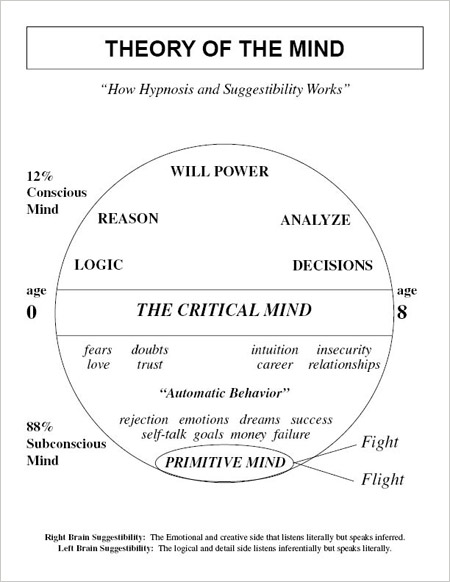
I have attached a diagram, (courtesy of the Hypnosis Motivation Institute) this is what I use with every new client to explain how hypnosis and hypnotherapy works.

From the time we are born until about 8 years old, we are very suggestible. That just means that we take in everything as absolute truth. As children, we do not have the ability to analyze incoming information; we believe everything we are told. Most kids are walking around in hypnosis.

We learn likes and dislikes, what we are capable of, what we are not capable of, what is fearful, desirable, etc. This is the creation of our so called Life Script: a collection of beliefs and “knowns” that shape our behavior and thinking.  This happens at the level of our subconscious mind, so we are not aware that it is occurring. We all fall under the hypnosis of our culture, and adopt the beliefs of our parents, religion and society.

Between 7 and 9 years old, we begin to develop the “critical mind” which blocks suggestions into our subconscious minds. We began to question incoming information, we began to ask why, and to seek to understand the information presented to us. At this point we begin to develop our conscious minds, which we use for decision making, reasoning, analyzing, and logic. We start to think for ourselves.

As you can see from the diagram, the subconscious mind makes up 88% of our total “mind power” according to some estimates. The conscious mind, only about 12%. The subconscious mind has a much greater influence on our behavior.

What brings people into my office is the realization that they have a problem that they cannot seem to solve on their own. For instance, they can’t quit smoking, or get rid of anxiety or get motivated.

The reason for this is that that their subconscious minds contain the programming that keeps them anxious, or procrastinating, or smoking, or overeating. This programming comes from childhood. For instance, in the case of smoking,  someone may have seen their parents smoking, saw that they look relaxed when they were smoking, and maybe even saw commercials for smoking. (“Winston tastes good like a cigarette should”)

Their subconscious mind is familiar and comfortable with smoking, to the subconscious, it’s a “known”.

So even though they may want to quit smoking, the part that wants to quit is only 12 %: the conscious mind. But 88% wants to keep smoking. Which do you think will win out? Of course, the 88%.

Hypnosis as a tool for change.

This is where hypnosis comes in. When a person is in hypnosis, their critical mind, whose job is to be the gatekeeper to the subconscious mind, takes a break. They become very suggestible, or, open to suggestion.

So in a hypnotherapy session,  I can use the power of suggestion to get the subconscious mind familiar with what the goal is, so that the goal now becomes a “known” to the subconscious mind. With enough repetition and reinforcement, by coming to a few sessions or listening to recordings that I make for my clients, they can begin to reprogram their minds to stop smoking, be more calm and relaxed, or be more motivated. See how that works?

I’ve attached a diagram, (courtesy of the Hypnosis Motivation Institute) this is what I use with every new client to explain how hypnosis and hypnotherapy works.

From the time we are born until about 8 years old, we are very suggestible. That just means that we take in everything as absolute truth. As children, we do not have the ability to analyze incoming information; we believe everything we are told. Most kids are walking around in hypnosis.

We learn likes and dislikes, what we are capable of, what we are not capable of, what is fearful, desirable, etc. This is the creation of our so called Life Script: a collection of beliefs and “knowns” that shape our behavior and thinking.  This happens at the level of our subconscious mind, so we are not aware that it is occurring. We all fall under the hypnosis of our culture, and adopt the beliefs of our parents, religion and society.

Between 7 and 9 years old, we begin to develop the “critical mind” which blocks suggestions into our subconscious minds. We began to question incoming information, we began to ask why, and to seek to understand the information presented to us. At this point we begin to develop our conscious minds, which we use for decision making, reasoning, analyzing, and logic. We start to think for ourselves.

As you can see from the diagram, the subconscious mind makes up 88% of our total “mind power” according to some estimates. The conscious mind, only about 12%. The subconscious mind has a much greater influence on our behavior.

What brings people into my office is the realization that they have a problem that they cannot seem to solve on their own. For instance, they can’t quit smoking, or get rid of anxiety or get motivated.

The reason for this is that that their subconscious minds contain the programming that keeps them anxious, or procrastinating, or smoking, or overeating. This programming comes from childhood. For instance, in the case of smoking,  someone may have seen their parents smoking, saw that they look relaxed when they were smoking, and maybe even saw commercials for smoking. (“Winston tastes good like a cigarette should”)

Their subconscious mind is familiar and comfortable with smoking, to the subconscious, it’s a “known”.

So even though they may want to quit smoking, the part that wants to quit is only 12 %: the conscious mind. But 88% wants to keep smoking. Which do you think will win out? Of course, the 88%.

Hypnosis as a tool for change.

This is where hypnosis comes in. When a person is in hypnosis, their critical mind, whose job is to be the gatekeeper to the subconscious mind, takes a break. They become very suggestible, or, open to suggestion.

So in a hypnotherapy session,  I can use the power of suggestion to get the subconscious mind familiar with what the goal is, so that the goal now becomes a “known” to the subconscious mind. With enough repetition and reinforcement, by coming to a few sessions or listening to recordings that I make for my clients, they can begin to reprogram their minds to stop smoking, be more calm and relaxed, or be more motivated. See how that works?

Want to catch up on previous episodes?  Click Here >

Ted had to overcome his own negative programming to enroll in hypnotherapy school and start a private practice. If you need to change your path, or if you are still looking for the right path for you, Ted’s been down that road and can offer support and the subconscious re-programming you need for success. Request a complimentary consultation so that you can get your questions answered and find out if hypnotherapy and high performance coaching is right for you. Go to http://TedMoreno.com/contact, send an email and Ted will get back to you within 48 hours.


Step by Step: How to Start Exercising Regularly – Episode P447

Getting regular exercise is good for your body and good for your brain. It helps to release stress and tension, gives you a feeling of accomplishment, and gives you greater energy. Getting regular exercise will help you to have more energy, be happier, more focused and effective, less stressed, more confident, look better and live longer.
But, if you’re not in the habit of regular exercise, it can be difficult to go from not doing anything to getting regular and consistent exercise.

In this episode. Ted shares practical step by step directions to help you begin and maintain a consistent exercise program. It doesn’t have to be hard and it’s probably not as hard as you think. If you have been trying to get more exercise more often, listen to this episode!

One of the most common reasons people come to my hypnotherapy practice is for help in finding the motivation to exercise. We all know exercise is essential to health and wellness. Getting regular exercise is good for your body and good for your brain. It helps to release stress and tension, gives you a feeling of accomplishment, and gives you greater energy. Getting regular exercise will help you to be happier, more focused and effective, less stressed, more confident, look better and live longer. But you knew that, right?

For those that are challenged by anxiety, exercise is a must to get out of your head and into your body on a regular basis. But, if you’re not in the habit or regular exercise, it can be difficult to go from not doing anything to getting regular and consistent exercise.

The purpose of this podcast episode is not to sell you on the benefits of exercise, but to help you get started. Now, we all have reasons why we can’t do it right: it’s sweaty, it’s uncomfortable, you don’t have time, you can’t afford a gym or a personal trainer, or you don’t like going to the gym, you don’t want people to look at you, etc. Let’s be clear that focusing on all the reasons why you can’t exercise won’t help you. We are looking for solutions here! Refocus your mind on reasons why you CAN achieve the fitness you want and begin looking for ways to make it happen. (This episode will help.) I suggest you adopt a different perspective and begin to ask yourself “How can I start to get regular exercise?”

Here’s the answer: step by step adherence to a plan. The mistake people make is when they say “I can’t find the motivation to exercise!”

Motivation is not something you find, like you find it on Amazon and it shows up at your doorstep. No, you must generate motivation, or you will forever be looking out the window waiting for the truck to bring it to you.

Here are some practical step by step directions to help you begin and maintain a consistent exercise program:

1. The first step is to make the decision that getting exercise is something you MUST do. Not would like to, not it would be cool, not sure wish I could, not maybe someday. Make it a must. You want to find a word that is acceptable to you that doesn’t have negative connotations. Some people hate or have a negative reaction to the words exercise, working out, gym, etc., so find a word that works for you. It might be moving your body, getting fit, physical activity, etc. This is important!

2. Make it a goal and write it down. For example, you might write down, “My goal is to begin and maintain a program of regular physical fitness.” Write down all the reasons why you must get exercise or whatever word that describes what you want to do. Not why you

should, but why you must. Take a couple of minutes to imagine how you would feel if you were getting physical activity regularly and how you would feel about yourself. Use supportive language. Be your own coach. Talk to yourself using encouraging and motivating language. Before you go to bed, use affirmations such as “My health is my top priority and I am committed to my plan to exercise tomorrow at 7 am!” When you wake up in the morning, say to yourself “I’m committed to making this happen today!” This is how you develop a success mindset around your fitness.

3. Find something that you can do and enjoy. If you absolutely can’t stand going to the gym, then forget about that. There are plenty of other ways to increase physical fitness. Just to name a few: walking, hiking, biking, yoga, pilates, tai chi, chi gong, jumping jacks, jumping rope or using a rebounder (mini trampoline). In addition, there are plenty of videos and CD programs available for purchase or free online that can guide you. If doing the same thing bores you, then mix it up. Walk one day, hike another, ride a bike the next, take a class once a week.

Getting a fitness or exercise partner can make it a lot easier and enjoyable. If you can find someone to walk, hike, bike, go to the gym or take a class with, you are much more likely to do it and enjoy it.

5. PLAN! This is probably the most important step. Remember that most people don’t plan to fail, they fail to plan. Be realistic as to when you can fit in your activity. To go from doing nothing to getting up at 6 am everyday and going to the gym is probably not realistic. Or maybe it’s just not possible to get it in before work. Maybe it’s the first thing you do after you get home from work. We’re busy people, so take some time to sit down and plan the days and times that will work for you. Try to make these times as consistent if possible. In other words, schedule the same days and times every week. We are trying to create a new habit. Write it down in your schedule book/app as an appointment and create reminders for yourself.

6. Start with easily achievable steps. Success by the inch is a cinch, by the yard it’s very hard. Shoot for 2 times a week, for 30 minutes each time, or even 15 minutes. Start small and work your way up. If you plan to get out and do something twice a week and you do it, congratulations you are a success! However, if you plan for 5 days a week and only do three, you might be tempted to beat yourself up.

Bonus tip: Hire a personal trainer. This will make you accountable and will most likely get you the best results. Do your homework and find someone reputable with good reviews or ask around for a good referral. Ask lots of questions of potential trainers and communicate

clearly what your goals are and how you want to be trained i.e. “I want someone to kick my butt” or “I want some to be gentle with me.”

You can do this. It may be a little uncomfortable at first, but discomfort becomes comfort if repeated enough. To reiterate, be clear about why you must start and the benefit you will receive. Getting into a regular schedule of consistent activity and feeling the benefits can be one of your greatest accomplishments.

Remember 12 vs 88! 12 percent of your mind is your conscious mind and it wants to exercise. 88% of your mind is your subconscious mind, and it does not want to exercise if exercise is not a known to your subconscious. That’s where I come in. As a hypnotherapist, I work at the level of the subconscious mind using the power of suggestion. If you need support getting into the exercise habit, you can get in touch with me be going to tedmoreno.com/contact. Send me an email or give me a call and we’ll have a nice complimentary phone consultation to answer your questions and see if hypnotherapy and high performance coaching is right for you.

Quotes:

Believe you can, and you’re halfway there. – Theodore Roosevelt

You don’t have to be extreme. Just consistent. – Unknown

Thank you for listening, get out there and make it happen and we’ll talk soon.

Ted

Want to catch up on previous episodes? Click Here >

Your conscious mind (12%) wants to exercise, but your subconscious mind (88%) does not want to exercise. As a hypnotherapist, Ted works at the level of the subconscious mind using the power of suggestion. If  you need support getting into the exercise habit, you can get in touch with Ted by going to http://tedmoreno.com/contact.You can request a complimentary phone consultation to answer your questions and see if hypnotherapy and high performance coaching is right for you.


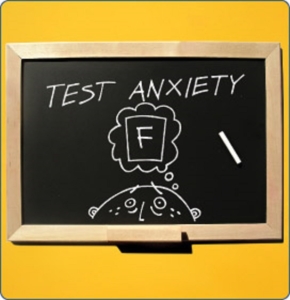
Test Anxiety? 7 Tips to Prepare and Pass – Episode 446

According to the American Test Anxiety Association, 38 percent of students have high or moderately high test anxiety. Test anxiety is where the test taker feels severe distress before, during and after the test. Test anxiety can not only interfere with information recall but may also cause some people to give up taking the text entirely or to keep putting it off, even though their career success depends on it. In this episode, Ted discusses test anxiety and offers 7 valuable tips for preparing for tests and taking tests while remaining calm, in control and able to recall the information needed to pass. It’s test time, so if you know someone who can benefit from listening to this podcast, please pass this along to them.



We’re getting into the spring and summer months and for students of all ages that means it’s time to take tests.  From 7 th grade final exams to the LSAT, many students will pass their tests, some will fail because they are not prepared, and some will fail, even though they’re prepared,  because of test anxiety.
Test anxiety can show up as early as first and second grades as well as in high school and beyond.

Did you know there is actually an American Test Anxiety Association? According to the ATAA:
*Roughly 16–20 percent of students have high test anxiety.
*Another 18 percent have moderately high test anxiety.
*Test anxiety is the most common academic impairment in grade school, high school, and college.

What is test anxiety?
Test anxiety is “the set of phenomenological, physiological, and behavioral responses that accompany concern about possible negative consequences or failure on an exam or similar evaluative situation.” That is from a book titled “Test Anxiety: The state of the art” by Moshe Zeidner.  Put another way, test anxiety is a combination of over-arousal, tension, worry, dread, fear of failure, and “catastrophizing” before or during test situations.

It is a psychological condition where the test taker feels severe distress before, during and after the test; one can get so nervous and anxious about doing well (or just passing), that performance on a test is negatively affected. If you have any experience as to how a college final can produce this type of anxiety, then imagine having test anxiety while taking the bar exam, or an exam for licensure, where the stakes are high and there has been a significant investment in both money and time. It’s normal to have some type of nervousness about taking a test and in fact, this nervousness can be helpful by getting us into a state where we are pumped up to do well. But when this nervousness escalates into test anxiety, however, it can not only interfere with recall of information but may create a reaction so intense that it causes some people to give up taking the exam entirely, or to continue to put it off until
“someday”.

 It’s important to understand that test anxiety is a form of performance anxiety.
Performance anxiety is where someone is extremely nervous about having to produce a result in a limited time or in front of people who are judging them. Test anxiety, stage fright, fear of public speaking and “choking” in sports performance fall into this category.

Symptoms of performance anxiety are like most other forms of anxiety reactions: rapid heartbeat, sweaty palms, shortness of breath, shakiness, confusion, or other physical aches or pains such as nausea or a stomachache. Like in the kind of stomachache your kid starts getting around final exam time.  In my work as a hypnotherapist with people who are challenged by test anxiety, I notice that many of these people share similar characteristics, such as being prone to high stress, having perfectionist tendencies, or worrying a lot.  The good news is that most instances of test anxiety can be dealt with in just a few hypnotherapy sessions, but here are some suggestions you can use right away to help you with deal with text anxiety.

Here are 7 tips to prepare and pass:

1. Diet can affect your ability to think and recall information. If you are skipping meals or eating meals or snacks high in carbs while studying for an exam, then you may be experiencing episodes of low blood sugar (blood glucose). Low blood sugar can trigger anxiety. Since the organ that uses the most glucose is the brain, a balanced diet can be helpful in creating optimal brain power. Have healthy snacks while you study and don’t skip meals.

2.  Sleep seems to go by the wayside when students are preparing for exams. Plan your study or help your child plan their study time for when you feel the most alert, which for most people is not usually late at night. But if that works for you, then make sure you’re getting the amount of sleep that’s right for you. It’s probably more than you think: 8 hours for adults and even more for children. It makes sense to be well rested in the days leading up to a major exam, wouldn’t you agree? Being sleep deprived can trigger anxiety. I understand that at crunch time, if you’re an adult studying for the NCLEX and you have a family and a job, that you might need to burn the midnight oil. But get the sleep that you can.

3. Schedule your study.  Not knowing when, where or how you can study can cause test anxiety. Last minute cramming can leave you feeling like you are not ready, also creating anxiety. Manage your time by organizing your schedule to give yourself the best conditions for learning. Decide ahead of time when, where, and for how long you will study. I suggest studying in periods of 50 minutes to one hour, with 10 to 15 minute breaks in between. Don’t sit in a chair for over an hour staring at a book, notes or videos, this can put you into a negative state of overwhelm which leads to a negative state of hypnosis. Overwhelm can be a real problem. Too much to do, too much to think about, and too much to handle, can be overwhelming. That’s why scheduling is a good thing to do. It enables you to chunk it down into bite size pieces. In other words, you would say to yourself:  “I’m going to study from this time to this time, then I’m going to watch a little tv, then go to bed.”

4.  Effective Preparation. Many people will only prepare for an exam by cramming the information into their heads. This is only half the equation; taking the test will involve recalling the information. Prepare for the exam by taking as many practice tests as you can as soon as you can. This will also clue you in as to what areas require more study. Remember the three Rs: Relax, Retain and Recall. The more relaxed you are, the more you will retain, and the more you will be able to recall. So, what would be ineffective preparation? Being tense and anxious while studying. Procrastinating. Putting it off. Worrying about failing.  Doing these things is a recipe for test anxiety. Oh, and another thing: if you have to go to a testing center to take the test, be sure that you know exactly how to get
there, where to park and where to go. It might even be worth taking a drive out there if possible so that you know what to expect. Make sure you prepare your materials the night before the exam. Don’t do anything the morning of except eat and go. If your drive to the testing center is a long way, say an hour or more, consider renting a cheap motel room near the testing center and spending the night there so that the next morning you just get up, eat and get to the testing center in a few minutes.

5. Watch your self-talk. Self-talk is your internal language or thoughts. For God’s sake, avoid scaring yourself with inner conversations like “I know I’m going to just blank out right in the middle of the test!” or “I just suck at taking tests!” or “I’m going to bomb this test!” This is not helpful. Give yourself encouragement and support. Use positive affirmations in the days and weeks leading up to the exam.

6. Mental visualization can be one of the most effective techniques you can use to mentally “rehearse” taking the test while feeling calm, relaxed and comfortable.  Remember that your mind can’t distinguish between what is real and what is vividly imagined. The more you vividly imagine the outcome you want, the more likely your mind will help you get it. Take 3 to 5 minutes to sit with eyes closed before you study and imagine, visualize or see yourself walking out of the testing location feeling good about your performance. Imagine receiving the information that you have passed. Setting a goal of passing with a particular score increases the chances that you will.  Take a 3×5 card or a piece of paper and write the score that you want to achieve. For instance, if you need to score a 70 to pass, aim for 79 or 81. Write on your card or piece of paper, “I am passing the bar exam on July 23 and 24th with a score of 79 or higher.” If the exam is pass or fail, say “Passing with a high score.”

7.  Extreme self-care Get a massage or two in the days or weeks before the exam to release excess tension and stress. Get a good night’s sleep the night before the exam, and don’t even think about showing up without eating a good meal with protein. Daily walking or any type of exercise can also be a great stress reliever. Remember, anxiety comes from prolonged stress and tension. Find ways to release it. Relax, retain, recall For the most part, test anxiety is a learned response. With practice, you can unlearn test anxiety and learn a different reaction. Have faith in your brain and cultivate a strong and abiding belief that you can and will pass!

I work a lot with people who have exam anxiety so if you are thinking that hypnosis and high-performance coaching might be the key to more relaxation, easier preparation and a passing score on your exam or exams, then reach out for a complimentary consultation. We’ll talk about what’s going on, I’ll answer any questions you might have and if you are ready, we’ll schedule your first session and start making it better. To request your complimentary consultation, go to https://tedmoreno.com/contact. I’ll get back to you within 48 hours.

Want to catch up on previous episodes? Click Here >

Here is your Episode Quote:
“Recipe for success: Study while others are sleeping; work while others are loafing; prepare while others are playing, and dream while others are wishing.” – that’s by the motivation author William A. Ward

Thanks for reading this and good luck!
Ted